




At check-in your phone goes into a locked box. It is not confiscated, it's just not in your pocket. There is a landline for emergencies, and the team can reach your family if needed.
For the first day, most people reach for the phone over and over. A hand goes to the pocket, finds nothing, and comes back. By the second day this slows down. You start looking at things for longer than a few seconds. Conversations at meals run past the usual two minutes.
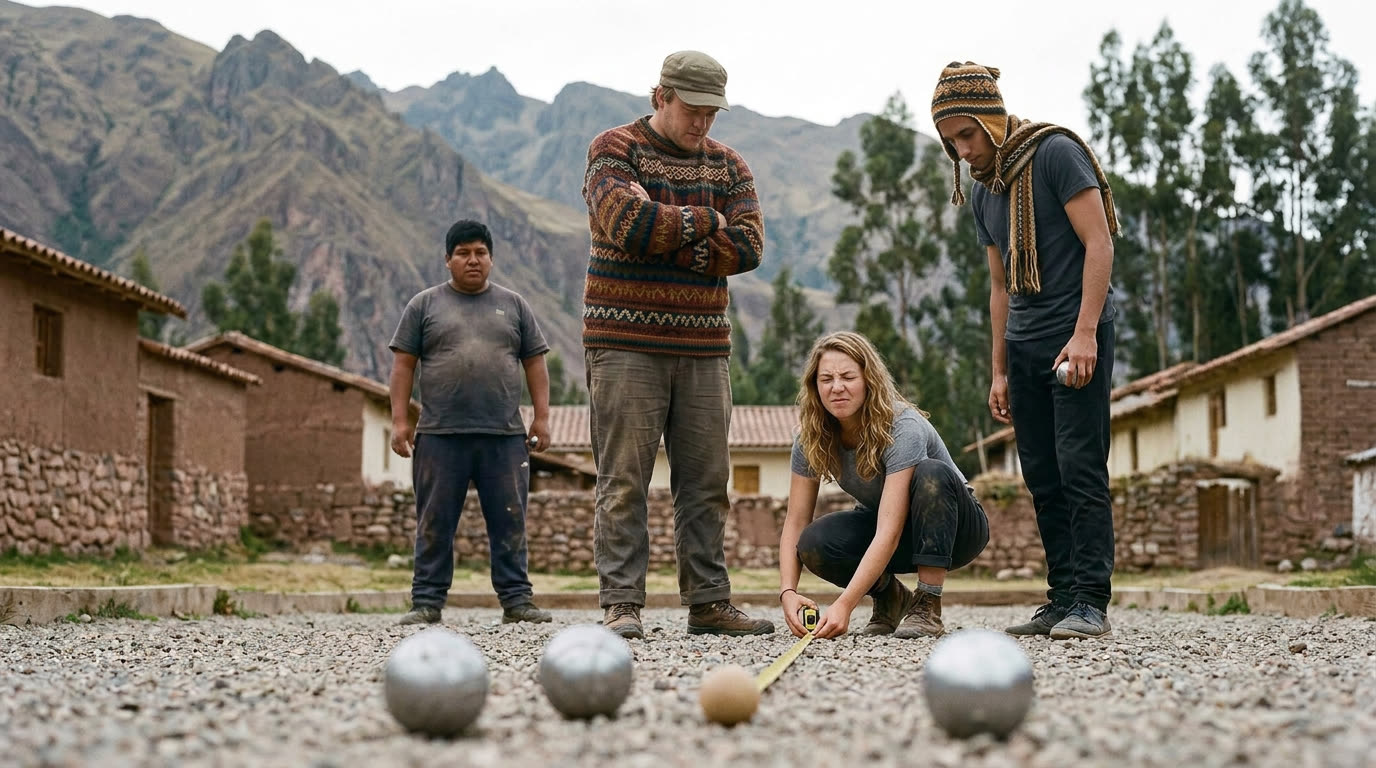
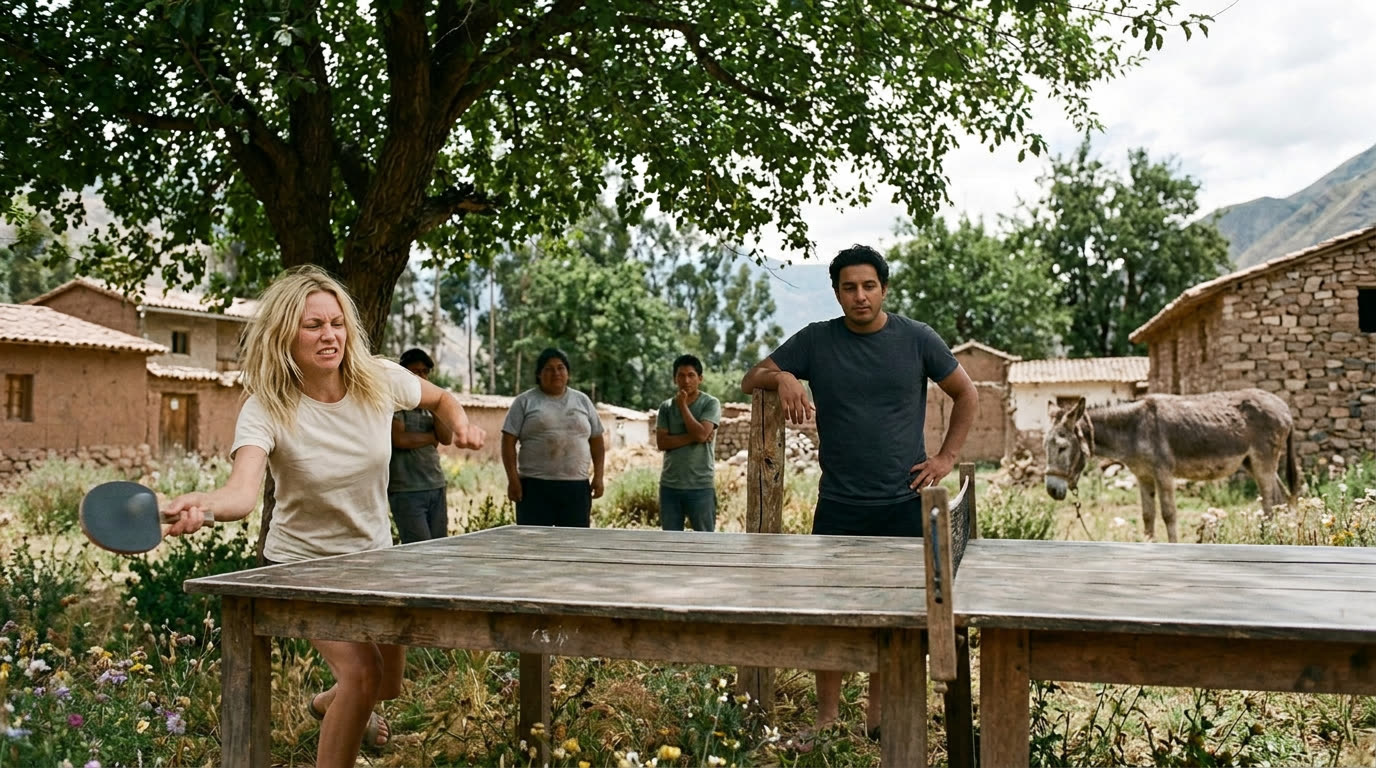
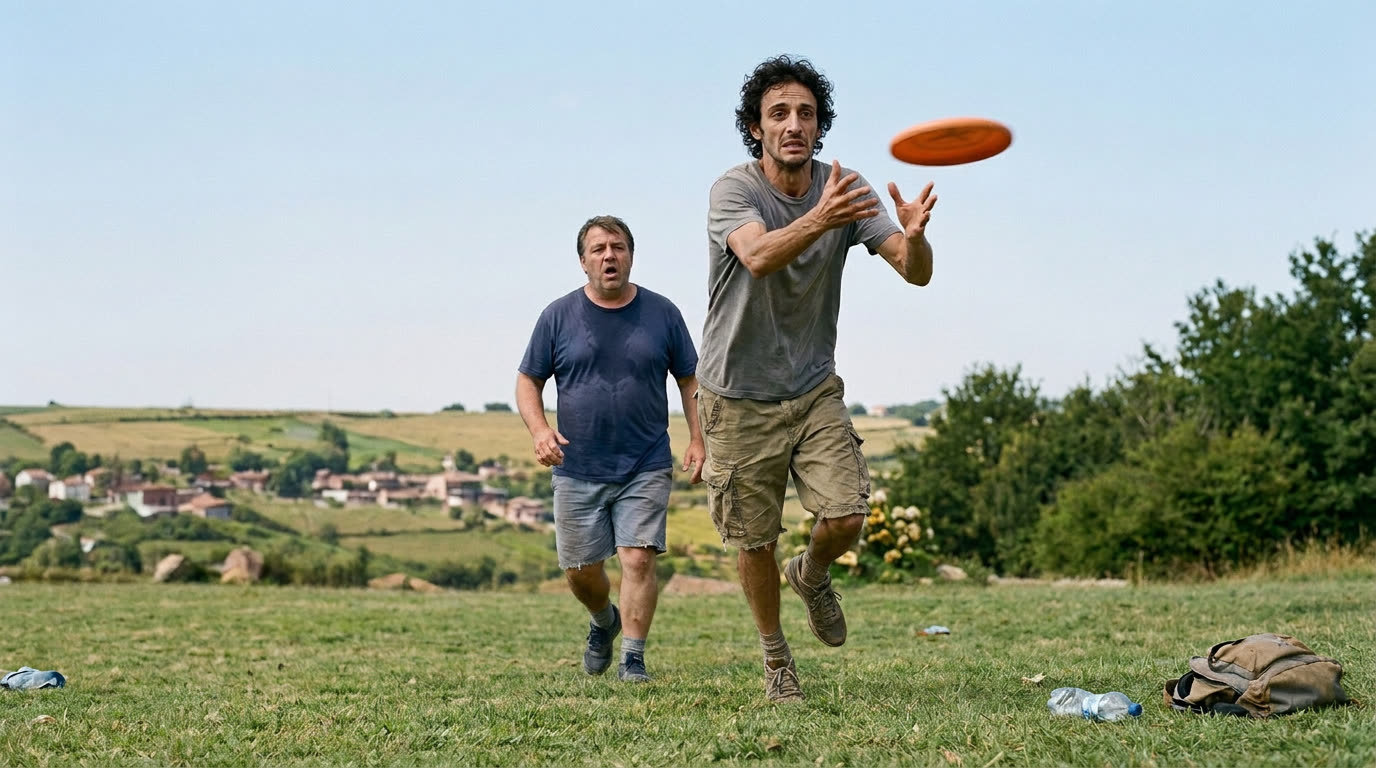
The days are simple: walking, reading real books, cooking, some stretching, long meals, early nights. Nothing is scheduled tightly, because the point is to have time that you don't have to fill.
On the last day you get your phone back. It will have a few hundred notifications, and none of them will be urgent. What people keep from this is a clearer sense of how much of their attention is spoken for, and a few rules for themselves about when the phone gets to come into the room.
The valley, the food, the place
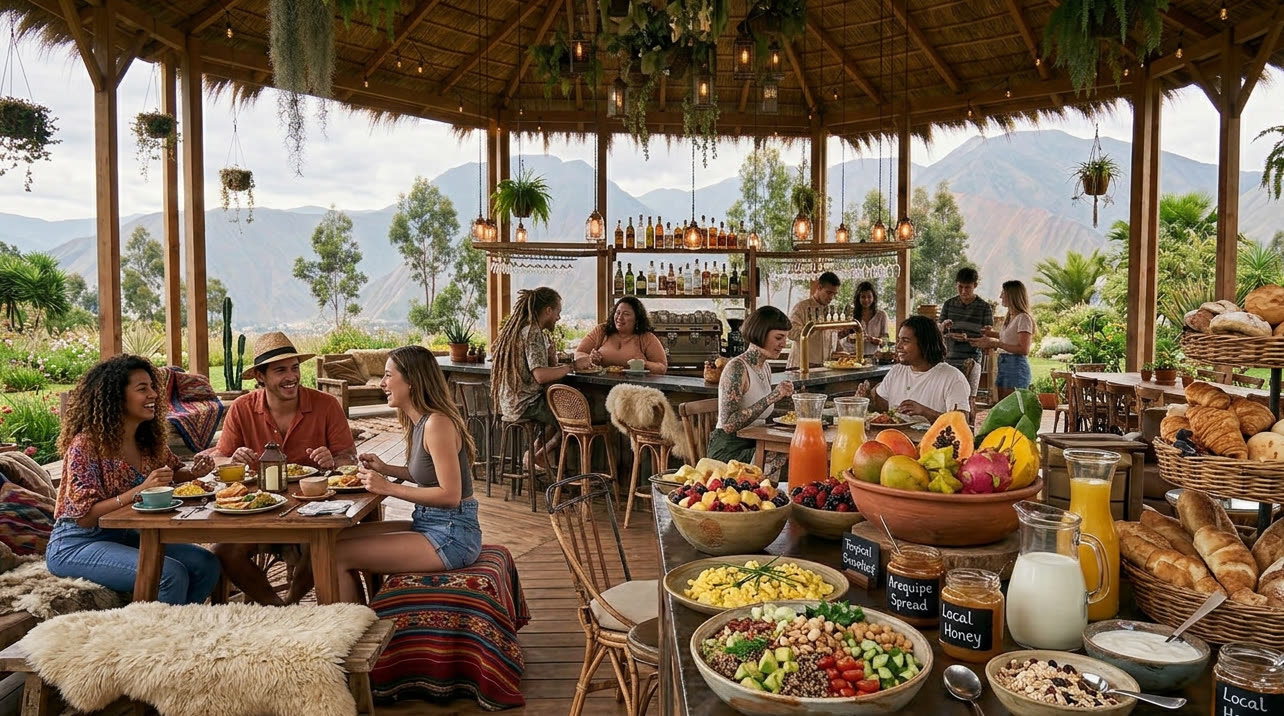
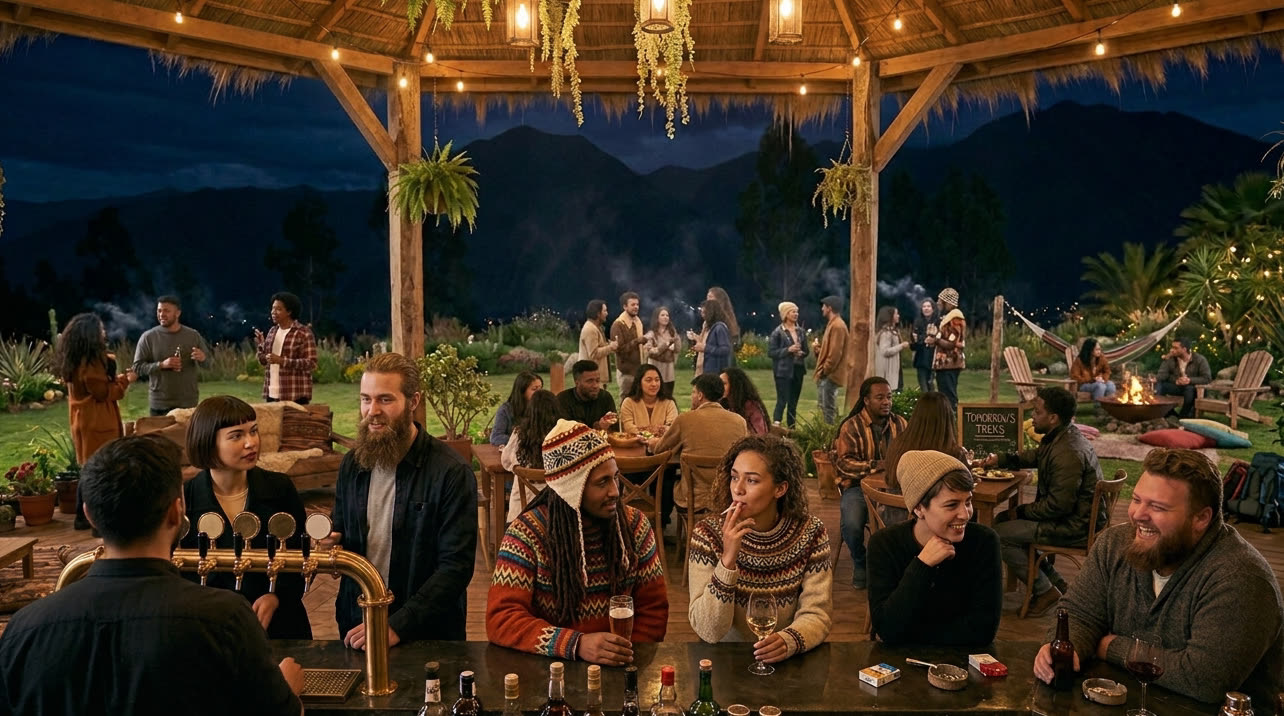
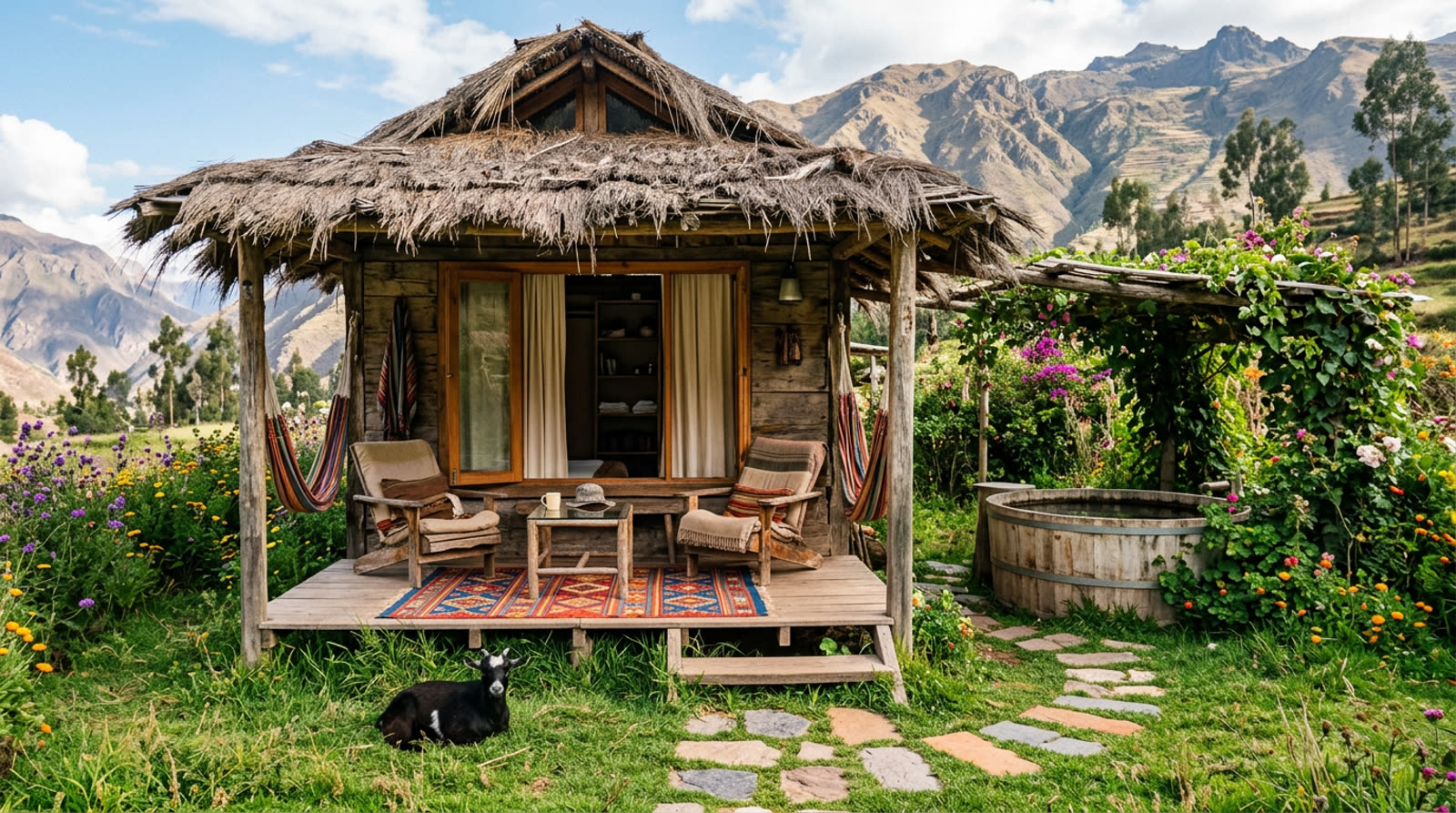
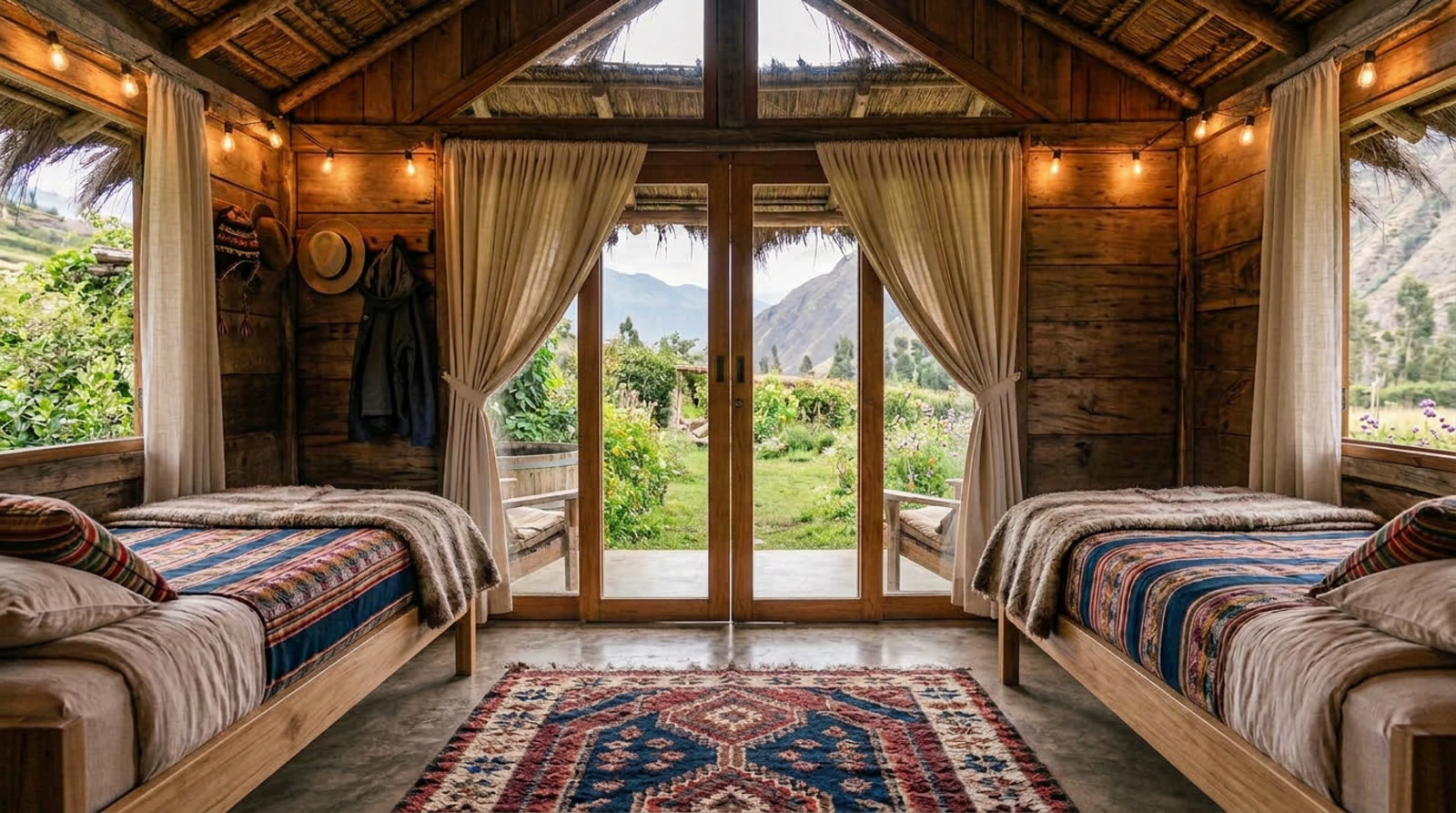
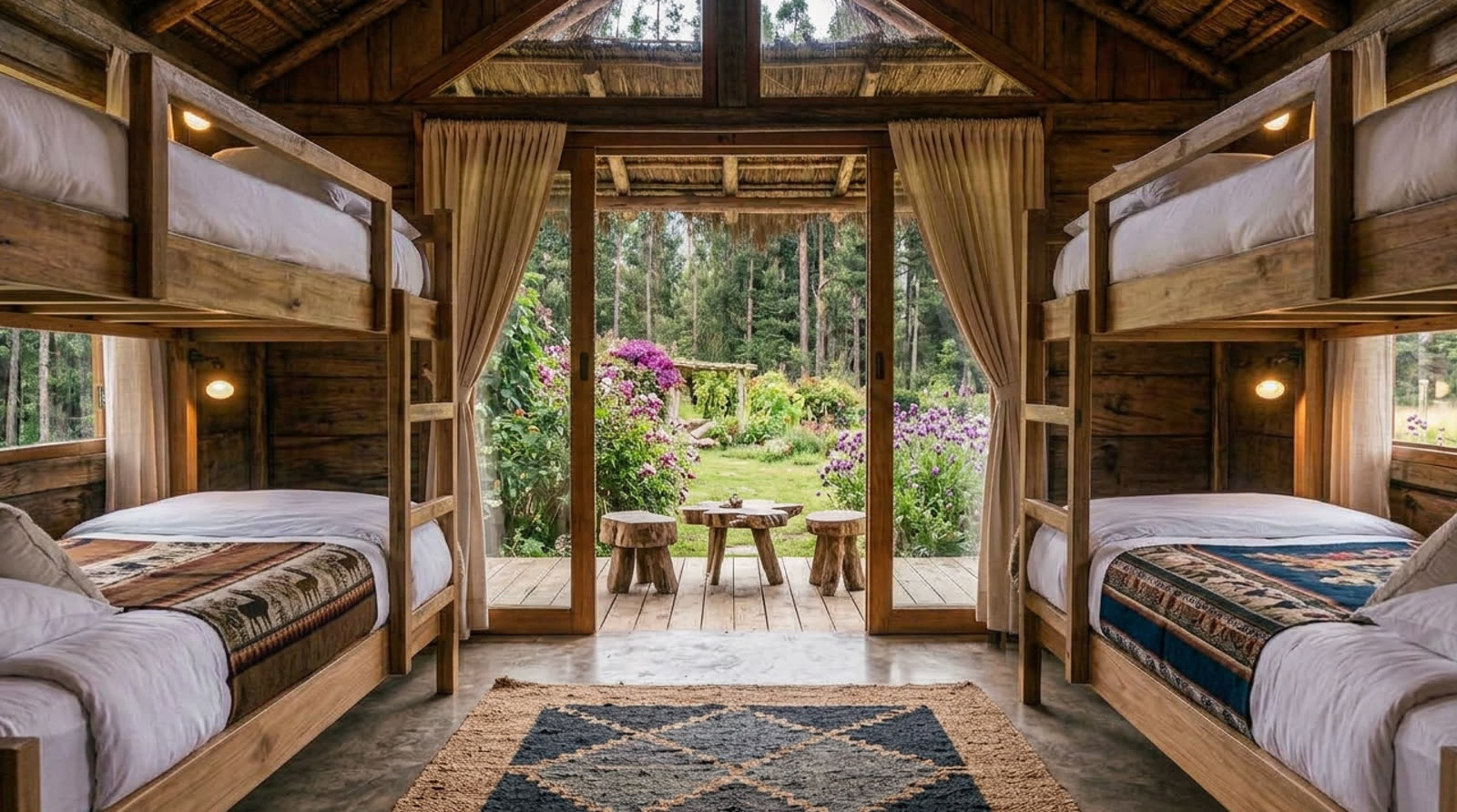
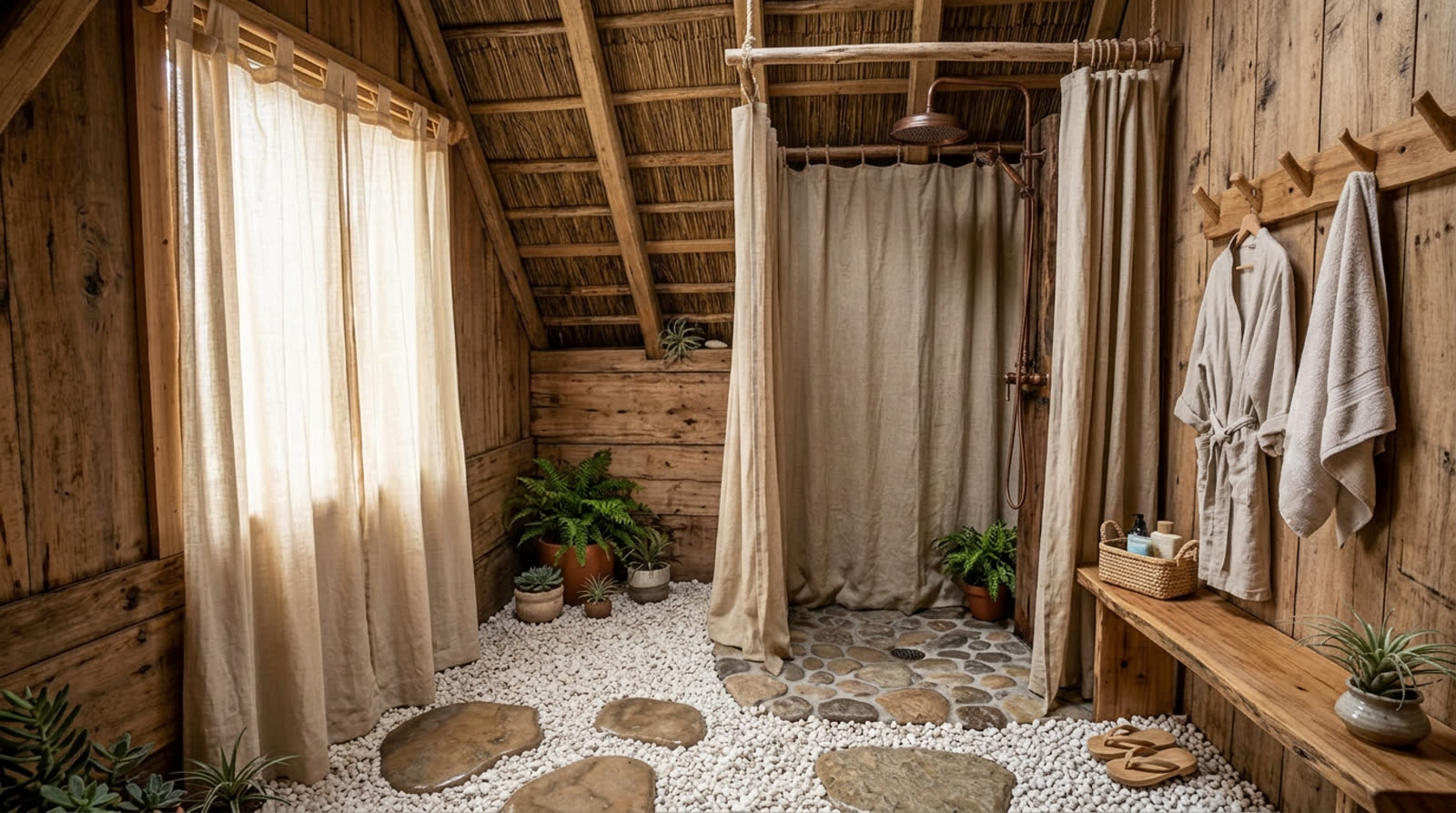
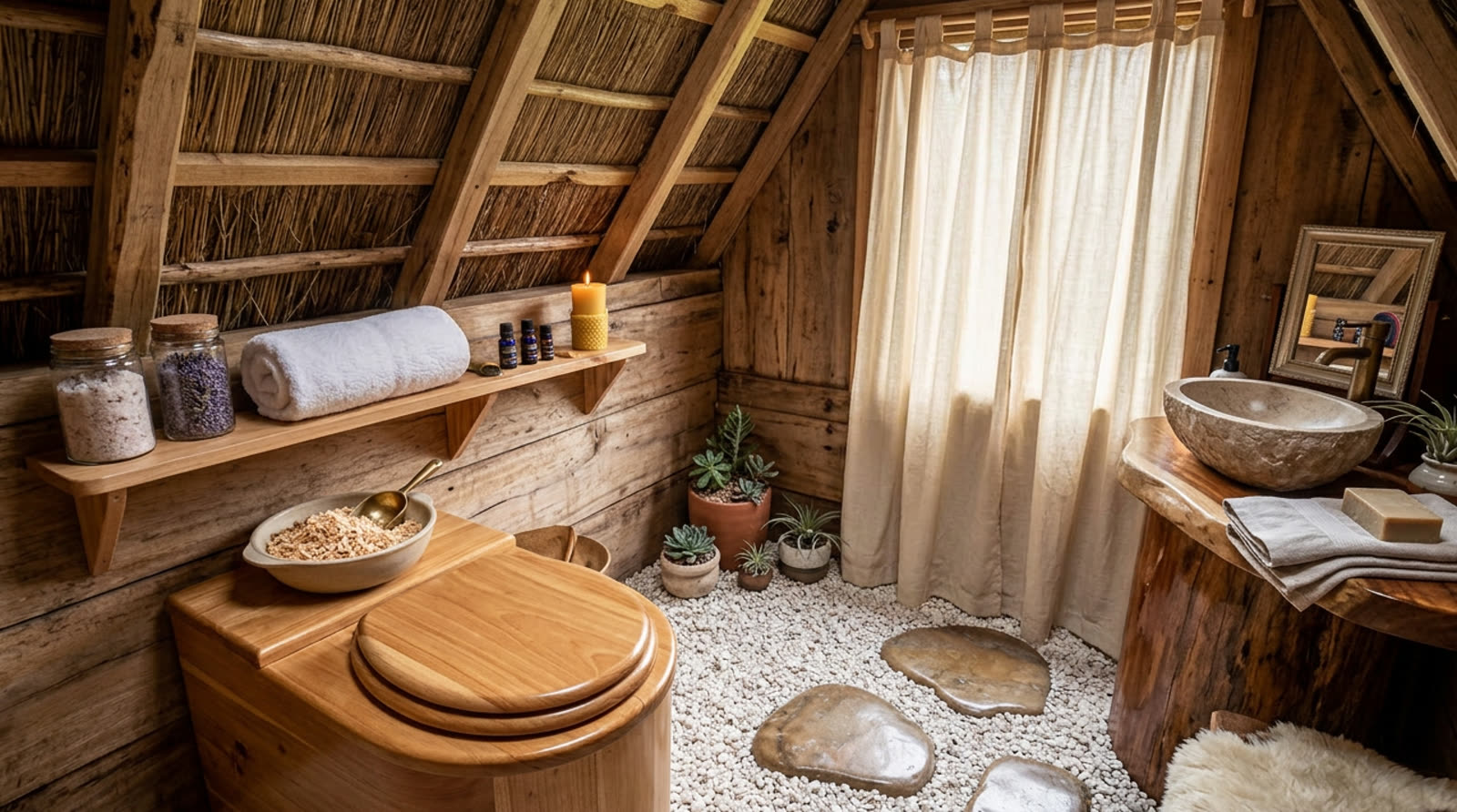
Without a phone you have time to notice the valley, and it is worth noticing. Walks are easy to find and hard to forget, with mountains in every direction. Healthy food is served all day and varies enough to keep you interested. The place is clean and quiet, the other guests are good company, and a few small surprises are tucked into the days, so there is always something to look forward to besides notifications. The food is excellent, and vegetarian options are always available.